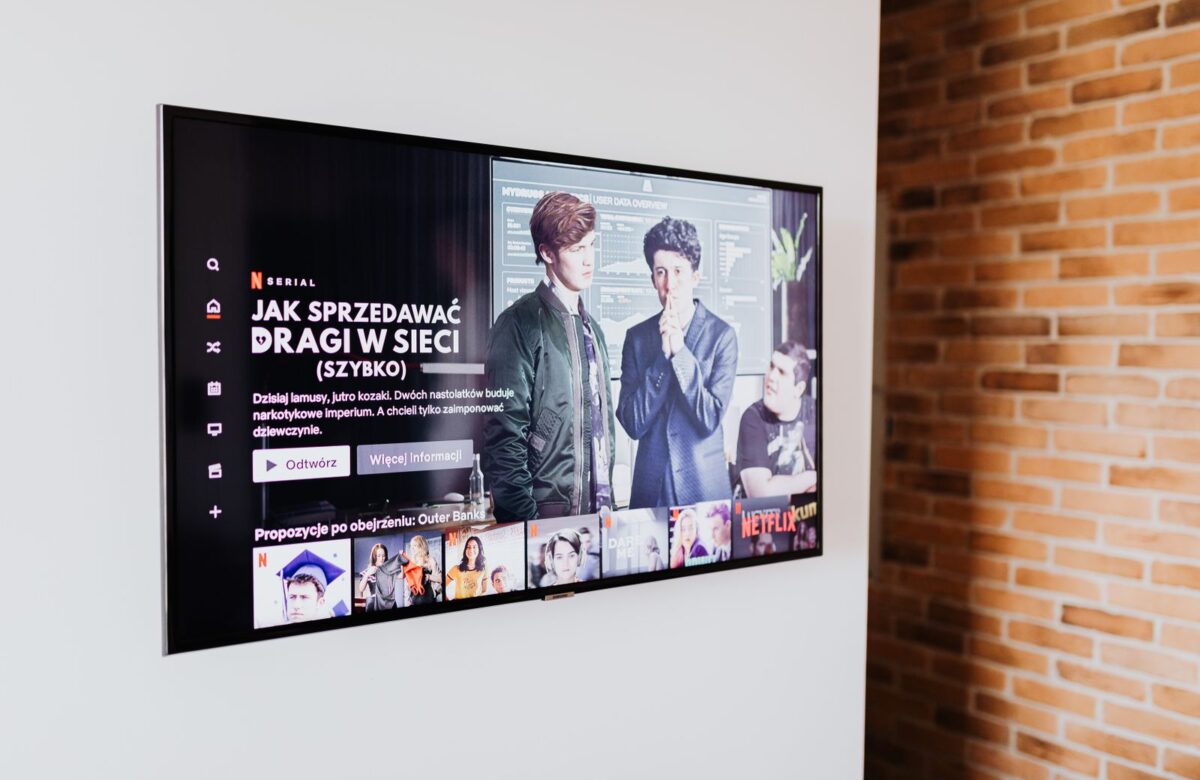

For years, Indian brands had to choose between television and digital. Television delivered scale and emotional impact; digital delivered targeting and measurement. Connected TV (CTV) is removing that trade-off. As more households watch streaming apps, YouTube and smart-TV channels on the big screen, brands can now buy TV-quality attention with the precision of digital advertising.
CTV has gone mainstream in India
The numbers have moved quickly. The FICCI-EY media and entertainment report estimates that India had around 68 million CTV households in 2025, with roughly 40 million active each week, up from 30 million in 2024. CTV advertising revenue grew 42% to ₹9,900 crore, while linear TV ad revenue fell by more than 10%. FICCI-EY projects CTV ad revenue reaching ₹16,400 crore and more than 90 million CTV households by 2028.
A 2026 report by WPP Media and The Trade Desk, “The Connected TV Era: India’s New Prime Time”, conducted by Ormax Media, puts India’s CTV audience at about 207 million viewers across 62-65 million households. It found that rural CTV audiences grew 110% in a year, compared with 21% in metros, and that 47% of urban TV households are now CTV homes.
In other words, CTV is not just a premium metro medium any more. It is becoming a mass medium with digital capabilities.
What makes CTV different
- Big-screen impact: full-screen, sound-on, often shared viewing, closer to traditional TV than mobile video.
- Addressability: audiences can be targeted by geography, device, content genre, language and, through data partners, by interest or life stage.
- Programmatic buying: inventory across multiple apps and publishers can be bought through demand-side platforms with frequency control.
- Measurement: impressions, completion rates, reach and, increasingly, outcomes such as website visits, app installs and brand lift.
How brands are using CTV
Extending TV reach
Brands that run linear TV use CTV to reach cord-cutters and light TV viewers, usually younger and more affluent audiences who no longer watch scheduled broadcasts. Planning both together avoids overexposing the same households.
TV-quality campaigns for challenger brands
CTV makes television accessible to brands that could never afford national TV. A regional real estate developer, a D2C brand or a healthcare network can buy CTV in specific cities and languages with modest budgets.
Live sport and big moments
Cricket and other live events streamed on CTV deliver huge, engaged audiences. Programmatic buying allows brands to reach these moments with targeted, frequency-capped messages instead of buying broad packages.
Full-funnel campaigns
CTV can be connected to mobile and desktop campaigns. A household that sees a CTV ad can be retargeted on mobile with a product offer, turning awareness into action.
Making CTV work: a practical checklist
- Create for the big screen: clear branding in the first seconds, readable text and strong audio. Do not simply reuse vertical mobile videos.
- Use QR codes and clear calls to action: they turn a lean-back moment into a measurable response.
- Control frequency: set caps across apps to avoid showing the same ad repeatedly to one household.
- Choose quality inventory: work with reputable publishers and use brand-safety and fraud-prevention tools.
- Plan by language and region: rural and regional growth means vernacular creative can unlock new audiences.
- Measure outcomes: go beyond impressions to incremental reach, brand lift, site visits, search lift and sales where possible.
The measurement question
Delivery reports tell you an ad ran; they do not tell you whether it worked. The goal of CTV measurement should be to show what the ad changed. Practical approaches include matched test and control regions, brand lift studies, tracking search and website traffic during flights, and linking exposure to first-party data where privacy rules allow.
Getting started with a pilot
For brands new to CTV, a focused pilot is the best way to learn. Pick two or three cities or states, a clear objective such as reaching people who no longer watch linear TV or launching in a new region, and a test period of four to six weeks. Run a 15 or 20 second big-screen edit with a QR code, cap frequency across apps, and hold back comparable regions as a control. At the end, compare reach, completion rates, branded search and website traffic, and sales or leads between test and control regions. A well-designed pilot gives you the evidence to decide how much of your video budget should move to CTV.
Key takeaways
- CTV now reaches more than 200 million Indians, with fast growth outside the metros.
- CTV ad revenue is growing strongly while linear TV ad revenue declines.
- Programmatic CTV combines TV-scale impact with digital targeting and frequency control.
- Design creative for the big screen and give viewers a clear way to respond.
- Measure incremental outcomes, not just delivered impressions.
Work with Hebron Media
Hebron Media is an integrated marketing agency that brings brand, media and technology together under one team. If this is a challenge your brand is facing, explore our Paid Media services or start a conversation with us.