
For two decades, being found online meant ranking on Google and buying search ads. That is still important, but it is no longer the whole picture. Millions of Indians now ask AI assistants to compare products, plan trips, shortlist colleges and explain financial products. In August 2026, that shift became a paid media channel too, as OpenAI launched ChatGPT Ads in India. Here is what has changed and how brands should respond.
What launched in India
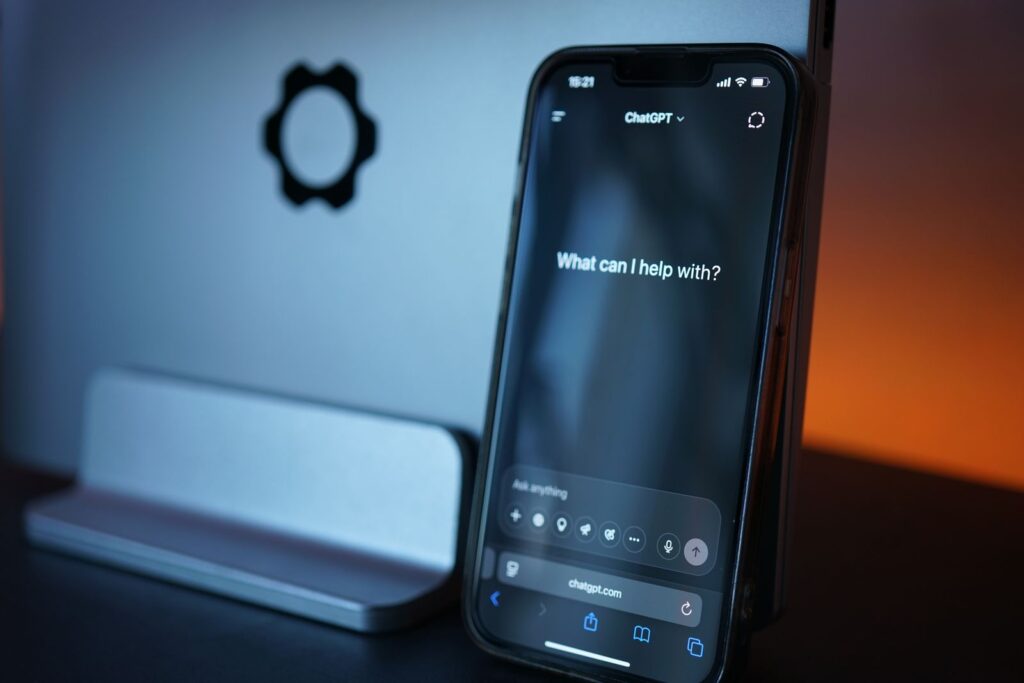
According to reporting by exchange4media, OpenAI announced ChatGPT Ads in India on 27 August 2026. The key details:
- Who sees ads: logged-in adult users on the Free and Go tiers. Plus, Pro, Business, Enterprise and Education subscribers remain ad-free.
- Format: ads appear below a ChatGPT response when a relevant sponsored product or service is available, clearly labelled as sponsored and separated from the answer.
- Buying: a self-serve Ads Manager opened on 4 September with daily budgets starting from ₹725, alongside agency-managed buying. WPP and Omnicom were named as the first agency partners.
- Privacy and safety: OpenAI says ads do not influence ChatGPT’s answers, advertisers receive only aggregate performance data such as impressions and clicks, no ads are shown to users identified or predicted to be under 18, and ads are restricted around sensitive topics such as mental health and politics.
Why AI search matters even without ads
Paid placements are only part of the story. The bigger change is how AI tools influence decisions before anyone clicks. Google brought AI Overviews to India in 2024 in English and Hindi, and AI assistants are increasingly the first stop for research-heavy purchases.
The impact on conversion can be large. In education, the Meritto Enrollment Index 2026, built on more than 4.3 crore student inquiry journeys, found that students who discover institutions through AI platforms are about six times more likely to enrol than those arriving through other digital channels. People who arrive via AI recommendations have often already narrowed their choices.
In other words, being recommended by AI is becoming as valuable as ranking first on a search results page, and in some categories more so.
How to prepare: a three-part plan
1. Make your brand easy for AI to understand
AI systems summarise what they can find and trust. Brands that are clearly and consistently described across the web are more likely to be recommended. Practical steps include:
- Clear service, product and pricing pages that answer common questions directly.
- Structured data (schema) for products, services, FAQs, reviews and locations.
- Consistent facts across your website, Google Business Profile, marketplaces and directories.
- Credible third-party mentions: reviews, press coverage, industry listings and expert content.
- Fast, accessible pages that are easy to crawl.
2. Create content that answers real questions
People ask AI assistants long, specific, conversational questions such as “best term insurance for a 35-year-old non-smoker in Pune” or “which CRM is easiest for a 20-person sales team”. Build content around these questions: comparison guides, how-to articles, calculators and expert explainers. This content serves traditional SEO, AI search and your sales team at the same time.
3. Test ChatGPT Ads with a clear hypothesis
As with any new channel, start small and measure carefully:
- Choose categories where people use ChatGPT for research, such as education, travel, software, consumer electronics, financial products and home services, subject to the platform’s policies on regulated topics.
- Write ads that add useful information to the conversation rather than repeating a generic slogan.
- Send traffic to landing pages that continue the answer, not a generic homepage.
- Use UTM tracking and your own analytics, since advertisers receive aggregated platform data only.
- Compare cost per qualified lead or sale against Google and Meta before scaling.
What this means for search budgets
This is not the end of Google search, which remains the largest intent channel in India. But budgets and effort will increasingly be shared between traditional SEO, search ads, AI search visibility and new conversational ad formats. The brands that win will treat these as one connected discovery strategy, not separate silos, and will build a single, trustworthy source of information about themselves that every platform can draw on.
Key takeaways
- ChatGPT Ads launched in India in August 2026 for logged-in adult Free and Go users, with self-serve buying from ₹725 a day.
- AI-driven discovery can convert far better than other digital channels, as education data shows.
- Make your brand easy for AI to understand with clear pages, structured data and consistent facts.
- Create content that answers specific, conversational questions.
- Test ChatGPT Ads with clear hypotheses, dedicated landing pages and independent tracking.
Work with Hebron Media
Hebron Media is an integrated marketing agency that brings brand, media and technology together under one team. If this is a challenge your brand is facing, explore our Search & Growth services or start a conversation with us.